
Layered lighting: why we need it and how to achieve it?
The key to a beautiful, atmospheric light design is to understand how to layer light. But before that, here is a guide to understand what layered lighting is.
Spatial Lighting is mainly of these three types:
Ambient light
Accent lighting
Task lighting
In interior designing, layering means putting together different textures, colors, materials etc. to create an atmosphere. Similarly, layering light is about balancing these three types of lights to create a particular mood.
When designing a home, layering light helps you to bring life to a space. Mixing and matching multiple lights can help you use the space for work in the daytime and for entertainment in the evening and may be as a cozy nook for reading late at night.
The three main types of lighting
Ambient lighting
Ambient lighting is general lighting, the one we need to walk around a room without bumping into the walls or furniture. This lighting provides a uniform base layer of light in the space. Natural light is also a source of ambient light. It can be further beautified with pendants, lighting panels, chandeliers, etc.

Accent lighting
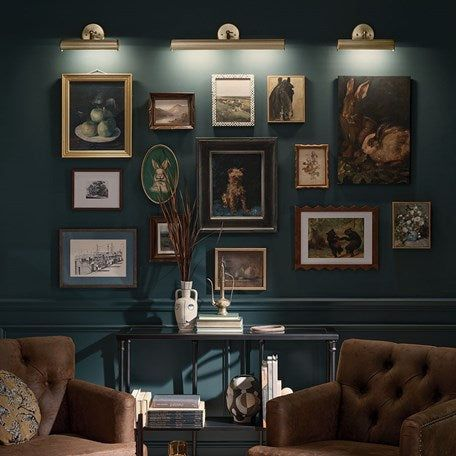
Accent lighting is used for aesthetic purposes, for highlighting different parts of your room, or highlighting features like pictures, etc. This lighting unites all the different types of lighting layers to give personalized finish. LED tapes, track lights etc. are different types of accent lights. If there are spots where ambient lights cannot work, the accent light can always be used to highlight those areas.
Task lighting
Task lighting is the practical lighting. It is used to highlight specific areas. Table lamps, pendant lights, vanity lights etc. are known as task lights as they let you see what you are doing. Task light should be done in accordance with ambient light to make the space more functional. Accent lighting is done after these two.
How to layer light?
For seating rooms, you can pair the table lamps on either side of a fireplace and you can create a reading nook with a floor lamp. You can highlight the artworks with accent wall lights.
In the dining room, a chandelier or low-hung pendant over the table will create a flattering feel. You can use small wall lights or table lamps in the rest of the space to create a fabulous feel of the space. In the kitchen also, avoid relying on recessed spotlights and use pendant lights and wall lights to create different zones in the kitchen.
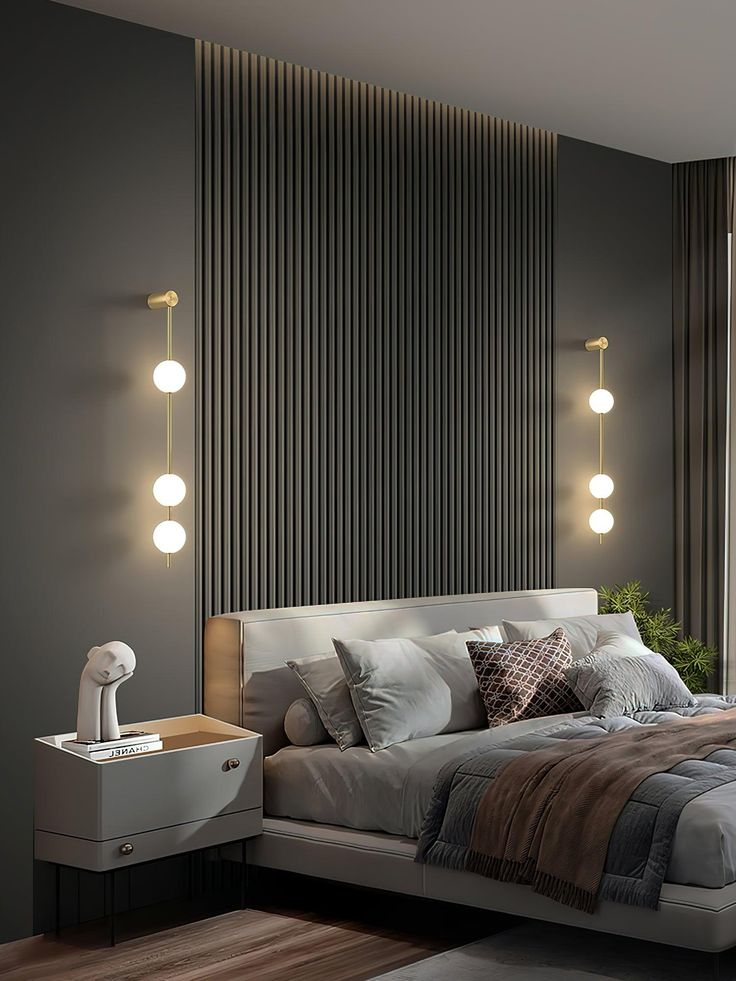
The bedroom is one room where everyone layers the light by using bedside lamps. But there are other ways that can light up the bedroom, like using wall lights as reading lights, or using light as per the color scheme.


Comments